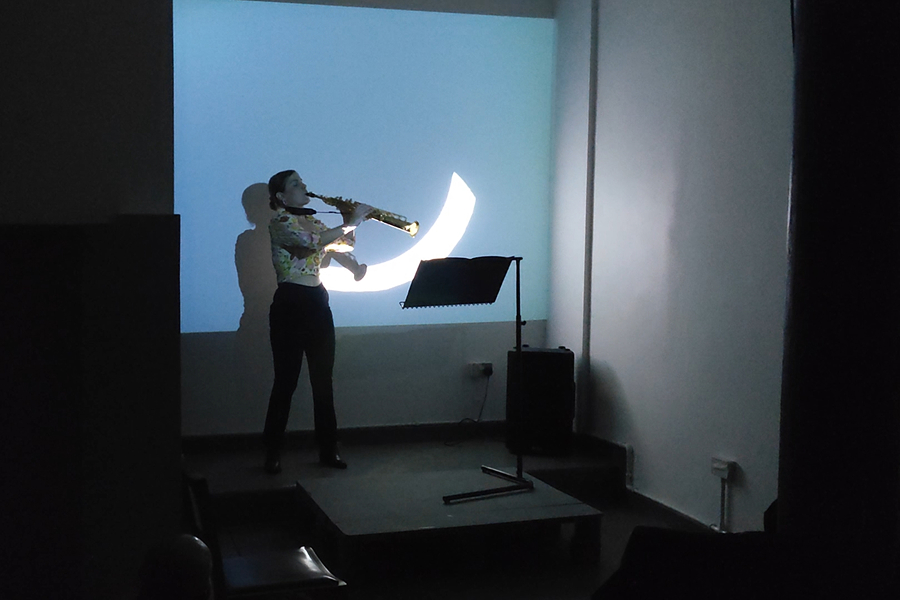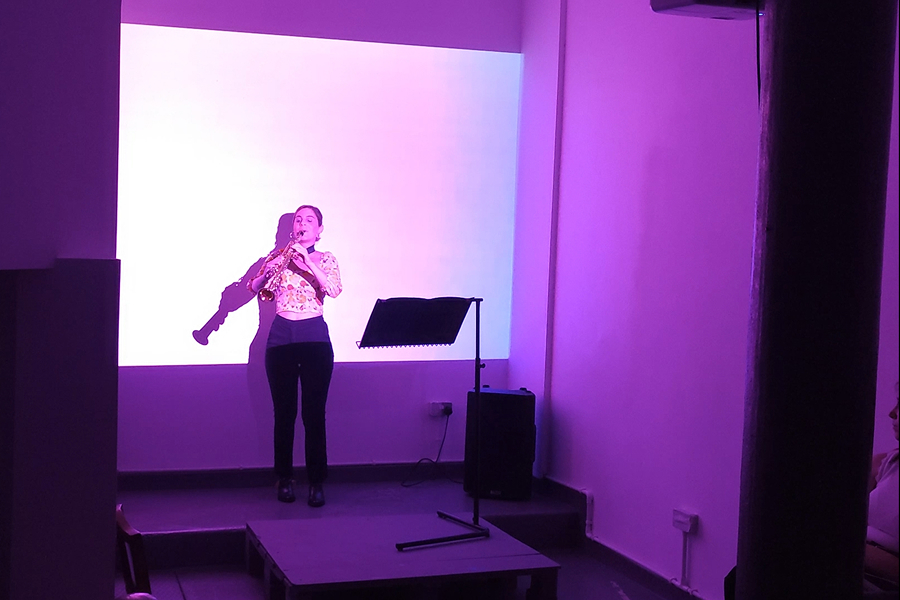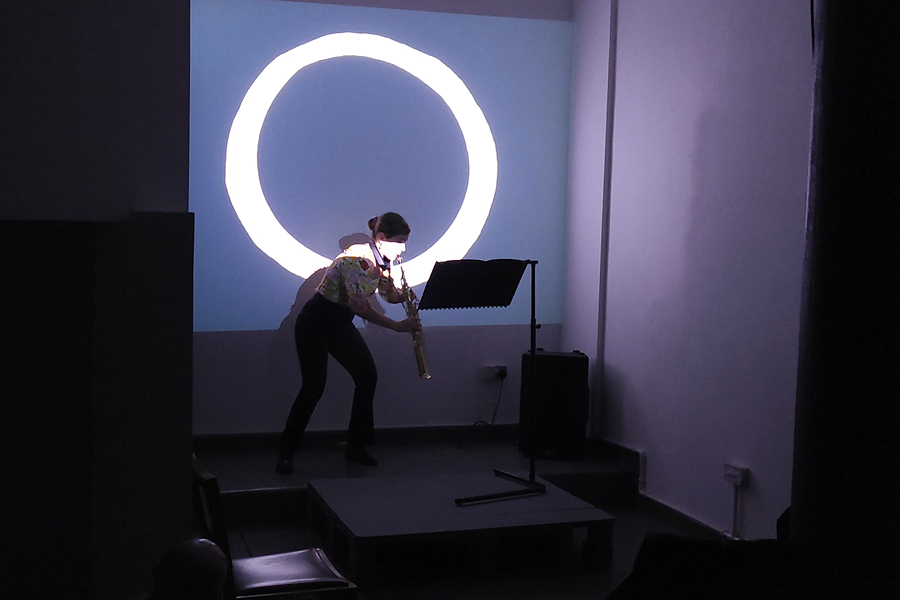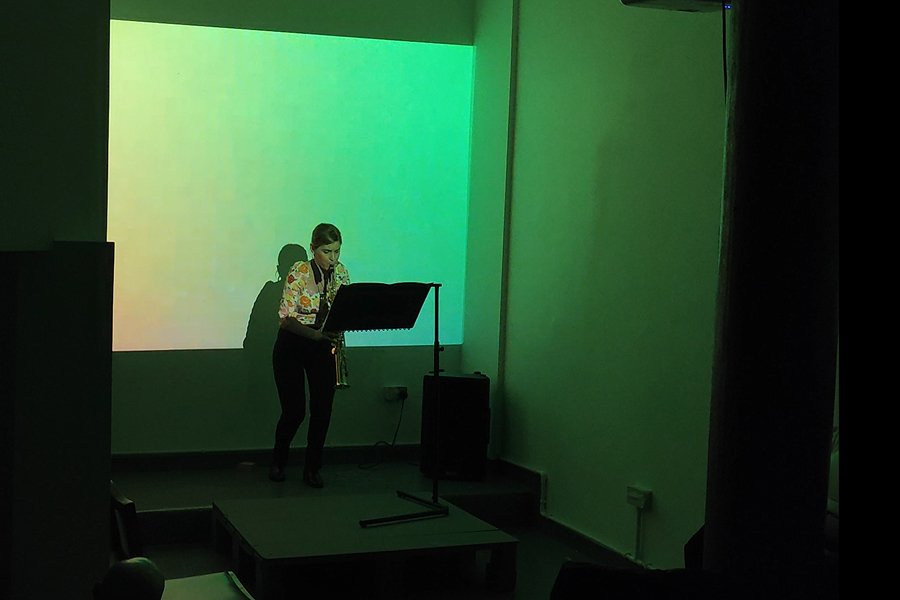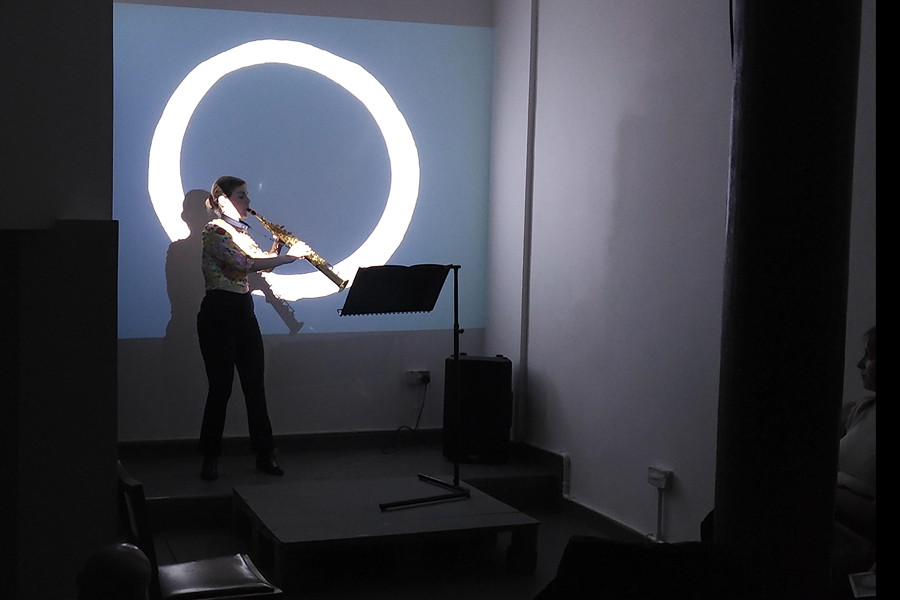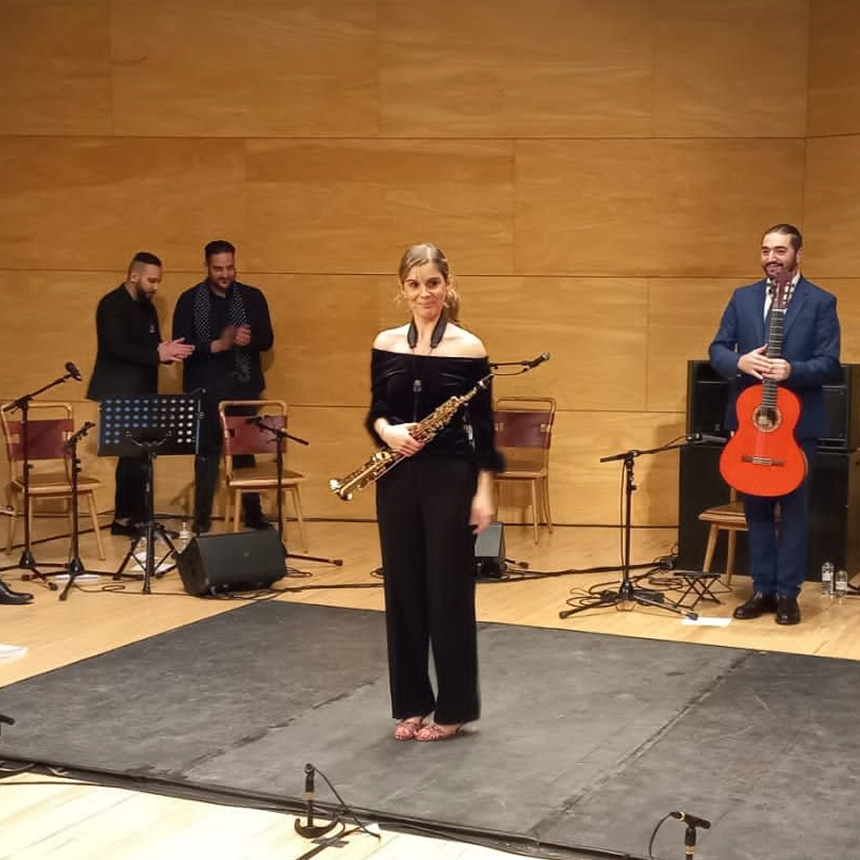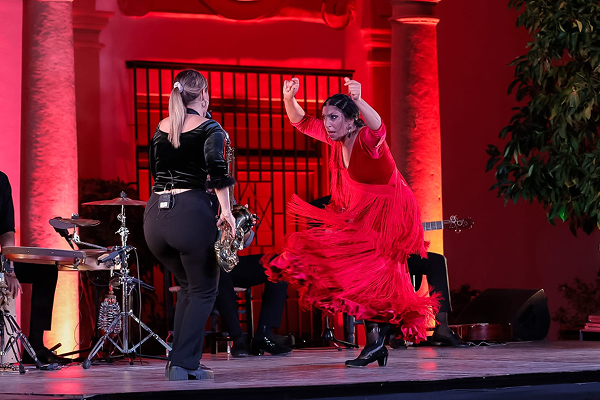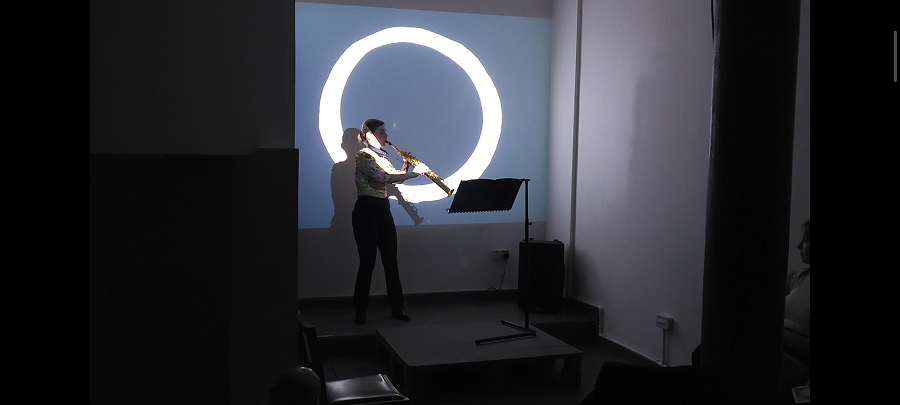
The guiding thread of this artistic-musical proposal revolves around the concept of transformation or mutation. The different works in this recital invite the listener to experience the metamorphosis or transfiguration of sound, through the varied timbres and aesthetics the saxophone will explore. By selecting a repertoire for solo saxophone, it was considered that the symbolism of bodily mutation or metamorphosis could be represented more vividly.
The first stage of this sonic journey into metamorphosis begins with Syrinx (1913) by Claude Debussy and Six Metamorphoses after Ovid (1951) by Benjamin Britten. Both works, originally for flute and oboe respectively, allude to mythological figures undergoing processes of transformation, such as the nymph Syrinx, the god Pan, Phaeton, Niobe, and Arethusa. For this recital, Britten’s work will be presented through a selection of four (Pan, Phaeton, Niobe, and Arethusa) of the six pieces in this magical cycle, based on the homonymous work by the poet Ovid.
Just as Syrinx transforms into reeds, Niobe into stone, or Arethusa into a fountain, the saxophone—capable of transmuting its timbre into the “skin” of other instruments—revives the stories of these classical mythological characters through the music of Debussy and Britten, also bridging continental and Anglo-Saxon avant-garde musical traditions.
Following this incursion into the realm of transcription—another manifestation of metamorphosis, as the saxophone’s timbre transforms to evoke that of other instruments—the second part of the recital will introduce the audience to one of the most distinctive works in the original saxophone repertoire: Épisode quatrième (1983) by French composer Betsy Jolas. This work, written for solo tenor saxophone, explores the instrument’s inner sonic landscapes from various perspectives. This journey to the center of sound allows the listener to experience the instrument’s timbre through different textures, nuances, and colors. The piece also experiments with blending the saxophone’s sound with diverse forms of vocal performance, creating an enigmatic hybridization of sonic elements.
To close the recital, Serpentine Dance, the performer will present four of the twelve pieces from the cycle Air in Space, Suggesting the Infinite. The Sound of Pablo Gargallo by composer and pianist Daahoud Salim. This cycle, consisting of twelve works for various saxophones, is inspired by the sculptural oeuvre of Pablo Gargallo. As in the interstices of Gargallo’s sculptures, the sounds of the saxophone are woven in and with the air. Through the different timbres of the saxophone family, the listener will approach works such as Uranus, Maternity, Hommage à Chagall, and Masks. Alongside the evocation of classical mythological figures that also embody processes of transformation—such as Uranus—the selected works in this cycle portray different forms of mutation or metamorphosis: Maternity, evoking the integral transformation of the human body, or the various versions of Gargallo’s Masks, which allude to essential elements of the dramatic and theatrical tradition.
Beyond its title, this recital aims to pay homage to the figure of Loïe Fuller and the metamorphosis of her avant-garde dance Serpentine Dance. The light, color, and air flowing through her billowing fabrics allowed Fuller to bring an unprecedented vision to the staging of contemporary dance. Her groundbreaking concepts, which focused the art of dance on parameters beyond the cultivation of the body itself, have been a strong source of inspiration for imagining and listening to this saxophone recital, which in turn seeks to reveal the versatility of an instrument that, like Fuller, can metamorphose in this Serpentine Dance.
In other versions of this show Serpentine Dance, works by G. Scelsi (Tre pezzi), R. Noda (Phoenix), and J. Magrané (VIA) were performed.
El hilo conductor que vertebra esta propuesta artístico-musical gira en torno al concepto de transformación o mutación. Las diferentes obras de este recital invitan al oyente a vivir la experiencia de la metamorfosis o transfiguración del sonido, a partir de los diferentes timbres y estéticas por las que viajará el saxofón. A través de la elección de repertorio para saxofón solo se estimó que, la simbología de la mutación o metamorfosis corporal, podría representarse de forma más vívida. La primera etapa de esta experiencia sonora de la metamorfosis comienza con Syrinx (1913) de Claude Debussy y Six metamorphoses after Ovid (1951) de Benjamin Britten. Ambas piezas, originales para flauta y oboe respectivamente, aluden a figuras mitológicas que sufren procesos de mutación como la ninfa Syrinx, el dios Pan, Faetón, Níobe o Aretusa. Para la propuesta de este recital, la obra de Britten se presentará a través de una selección de cuatro (Pan, Phaeton, Niobe y Aretusa) de las seis piezas que integran este ciclo mágico basado en la obra homónima del poeta Ovidio.
Así como Syrinx se transforma en cañas, Níobe en piedra o Aretusa en fuente, el saxofón, capaz de transmutar su tímbrica en la “piel” de otros instrumentos, rescata las historias de estos personajes clásicos de la mitología a través de la música de Debussy y Britten, conectando también tradición musical de vanguardia, continental y anglosajona.
Tras esta incursión en el ámbito de la transcripción, manifestación a su vez del concepto de metamorfosis al transmutar la tímbrica del saxofón para evocar la de otros instrumentos, la segunda parte del recital permitirá al oyente descubrir una de las piezas más singulares del repertorio original para saxofón, a saber, Épisode quatrième (1983) de la compositora francesa Betsy Jolas. Esta pieza, original para saxofón tenor solo, explora desde diferentes perspectivas, las regiones internas del sonido del saxofón. Este viaje al centro del sonido permitirá al oyente experimentar el timbre del instrumento a través de diferentes texturas, matices y colores. De igual modo, la pieza explora diferentes formas de conjugar el sonido del instrumento con distintos recursos de la interpretación vocal, favoreciendo una enigmática hibridación de los elementos sonoros que conforman la obra.
Para finalizar este recital, Serpentine Dance, la intérprete presentará cuatro de las doce piezas que integran el ciclo Aire en el espacio, sugerir el infinito. El sonido de Pablo Gargallo del compositor y pianista Daahoud Salim.
Este ciclo, conformado por doce piezas para distintos saxofones, está basado en la obra escultórica de Pablo Gargallo. Al igual que sucede en los intersticios de las esculturas de Pablo Gargallo, las sonoridades del saxofón se tejen en y con el aire. De este modo, a través de la tímbrica de los distintos saxofones, el oyente podrá acercarse a piezas de Gargallo como Urano, Maternidad, Hommage à Chagall y Máscaras. Además de la evocación de figuras clásicas de la mitología que igualmente representan procesos de transformación, como sería el caso de Urano, en las piezas escogidas de este ciclo se representan distintos procesos de transmutación o metamorfosis, a través de piezas como Maternidad, convivencia en la transformación integral del organismo humano, o de distintas versiones de Máscaras de Gargallo, en las que se alude a elementos esenciales de la tradición dramático-teatral.
Este recital, más allá de su título, pretende rendir homenaje a la figura de Loïe Fuller y la metamorfosis de su danza de vanguardia Serpentine dance. La luz, el color y el aire de sus telas aireadas permitieron a Fuller aportar una visión sin precedentes a la puesta en escena de la danza contemporánea. Sus propuestas rompedoras, que centraban el ejercicio de la danza en parámetros que van más allá del cultivo del propio cuerpo, han servido de fuerte inspiración para imaginar y escuchar este recital de saxofón que, a su vez, pretende mostrar la versatilidad de un instrumento que puede metamorfosearse, como Fuller, en esta Serpentine dance.
En otras versiones o presentaciones de este espectáculo Serpentine Dance se interpretaron obras de G. Scelsi (Tre pezzi), R. Noda (Phoenix) y J. Magrané (VIA)